The energy certificate (certificado energético) is the document that rates a home's energy efficiency, from A+ to F. For a landlord in Portugal it is one of the first papers to sort out: without it, the property cannot be listed or rented out.
This guide explains what it is, when it is mandatory, how much it costs, how long it is valid, when you are exempt and how to get one from a qualified assessor, step by step.
- Mandatory to sell or rent out: the energy class must appear in every listing.
- Price: the assessor's fee + the ADENE registration fee (€28 to €65 + VAT). For a flat, the total is around €150 to €300.
- Validity: 10 years for homes, unless works change the energy performance.
- Only a qualified assessor (PQ) registered with the SCE can issue it, after visiting the property.
What the energy certificate is and what it is for
The energy certificate is issued under the Energy Certification System for Buildings (SCE), governed by Decree-Law 101-D/2020 and run by ADENE, the Portuguese energy agency. It assesses the property's energy performance and gives it a class on a scale from A+ (most efficient) to F (least efficient).
Besides the class, the certificate lists the improvement measures the assessor recommends for that home. For a landlord it does three things: it keeps you within the law, it tells the future tenant about the home's comfort and energy use, and it shows where an investment is worth making.
Only a qualified assessor (perito qualificado, PQ) registered with the SCE can issue the certificate, and always after visiting the property. It cannot be done remotely: the visit is part of the process.
When the energy certificate is mandatory
The certificate is mandatory whenever a property is put on the market for sale or rent. In practice, the owner has three obligations:

- hold a valid certificate before listing the home;
- show the energy class in every listing, whether it is placed by the owner, by an estate agent (mediador imobiliário) or on a property portal;
- give the future tenant, or the buyer, a copy of the certificate before the contract is signed.
Do old houses need one too?
Yes. The age of the property is not a ground for exemption. A 1960s house or a flat in an old building needs a certificate to be rented out, just like a recent flat.
A low class does not stop you from renting out: the law requires the certificate, not a minimum class.
Exemptions: when the certificate is not required
The law provides for some exceptions. Among others, the following do not need an energy certificate:
- detached single-family buildings with a usable floor area of 50 m² or less;
- buildings in ruins;
- letting the landlord's own main home for less than 4 months;
- a new lease with the tenant who was already living there, straight after the previous one;
- sales to co-owners, to the tenant or for total demolition;
- gifts, bequests and inheritances.
Each exemption has its own conditions. Note, for instance, that the first one refers to detached single-family buildings: if you own a small flat, check with the assessor before assuming you are exempt. And the 4-month exemption only covers the landlord's own main home: a property let as an investment, even briefly, does not qualify.
Before listing without a certificate, check with a qualified assessor that your case is really covered. A wrongly applied exemption exposes the landlord to the same fine.
How much an energy certificate costs
The price of an energy certificate has two parts: the assessor's fee, which is set freely, and the fee for registering the certificate with the SCE, charged by ADENE and fixed by ministerial order. For a flat, the total is usually between €150 and €300.
ADENE registration fee (homes)
The fee depends on the property type (number of bedrooms, the Portuguese "T" rating) and is set by Portaria 138-H/2021. VAT is added to these amounts, and the fee comes on top of the assessor's fee.
| Property type | ADENE registration fee (+ VAT) |
|---|---|
| T0 and T1 (studio and 1-bed) | €28.00 |
| T2 and T3 (2 and 3-bed) | €40.50 |
| T4 and T5 (4 and 5-bed) | €55.00 |
| T6 or larger | €65.00 |
Some assessors quote a price that already includes the ADENE fee and VAT, others do not. When you compare quotes, always check what is included.
Prices published by the assessors in our directory
The 7 assessors in the Aluseg directory who publish a price charge between €113 and €270 for a residential certificate. The table sums up what each one states on its website.
| Assessor | Published price | Stated scope | ADENE fee and VAT |
|---|---|---|---|
| 1st Value Consulting | from €113 | Indicative price | VAT not included (€113 + VAT) |
| H3S - Engenharia & Consultoria | from €120 | Energy certificate | Not stated |
| HC-ARQ | €130 to €170 | Flat, studio to 3-bed | Not stated |
| Tema - Arquitetura e Certificação Energética | from €140 | Energy certificate | ADENE fee included; VAT not stated |
| Engenatura | from €145 | Energy certificate | ADENE fee and VAT included |
| Certificados Energéticos Low-Cost | €225 to €270 | Flat, studio/1-bed to 2/3-bed | ADENE fee and VAT included |
| Certigera | €231 to €259 | Flat, studio/1-bed to 3-bed, single storey, built up to 2006 | ADENE fee and VAT included |
Prices published by the professionals, Oct. 2026. Indicative amounts: the final price depends on the property and is confirmed in the quote.
A cheap energy certificate: what to compare
The property type, floor area, number of storeys and the assessor's travel all weigh on the quote. A low price is not a sign of poor work, but always compare like with like: ADENE fee, VAT, travel and a certificate that includes the improvement measures.
How to get an energy certificate, step by step
You can request quotes online, but the certificate itself always requires an assessor to visit the property. The usual process has five steps.

- Ask for a quote from one or more qualified assessors, giving the address, property type and floor area. With the form on this page, up to 3 assessors in your region contact you, with no commitment.
- Gather the documents (list below) and book the visit.
- Property visit. The assessor inspects the home and collects the technical data needed to calculate its energy performance.
- Registration with the SCE. The assessor registers the certificate in ADENE's system, where the registration fee is paid.
- You receive the certificate with the energy class and the improvement measures. Use the class in your listings and keep the certificate with the lease documents.
Documents the assessor usually asks for
- Caderneta predial urbana (property tax record), available on the Portal das Finanças;
- Land registry certificate (certidão do registo predial);
- Floor plans of the home, if you have them;
- For flats, the ficha técnica da habitação (housing technical file), if there is one;
- Access to the property on the day of the visit.
How long it takes to issue
After the visit, the certificate is usually ready within a few working days. Add the time needed to book the visit and gather the documents.
Get it before you photograph and list the home, so the listing is not held up.
How long the energy certificate is valid
The energy certificate of a residential building is valid for 10 years. The pre-certificate (pré-certificado), issued for new builds or major works still at the design stage, is also valid for 10 years.
While it is valid, the same certificate covers several lettings in a row. If you carry out works that change the home's energy performance, a new certificate is needed. If the works improve the home, the new class may be higher.
Check the expiry date on the certificate itself or in the SCE search (explained below). An expired certificate does not meet the requirement to hold a valid one when you list.
Energy classes: what class F means
The class sums up the home's energy performance on a scale from A+ (most efficient) to F (least efficient). The better the class, the less energy the home needs, in theory, for the same level of comfort.
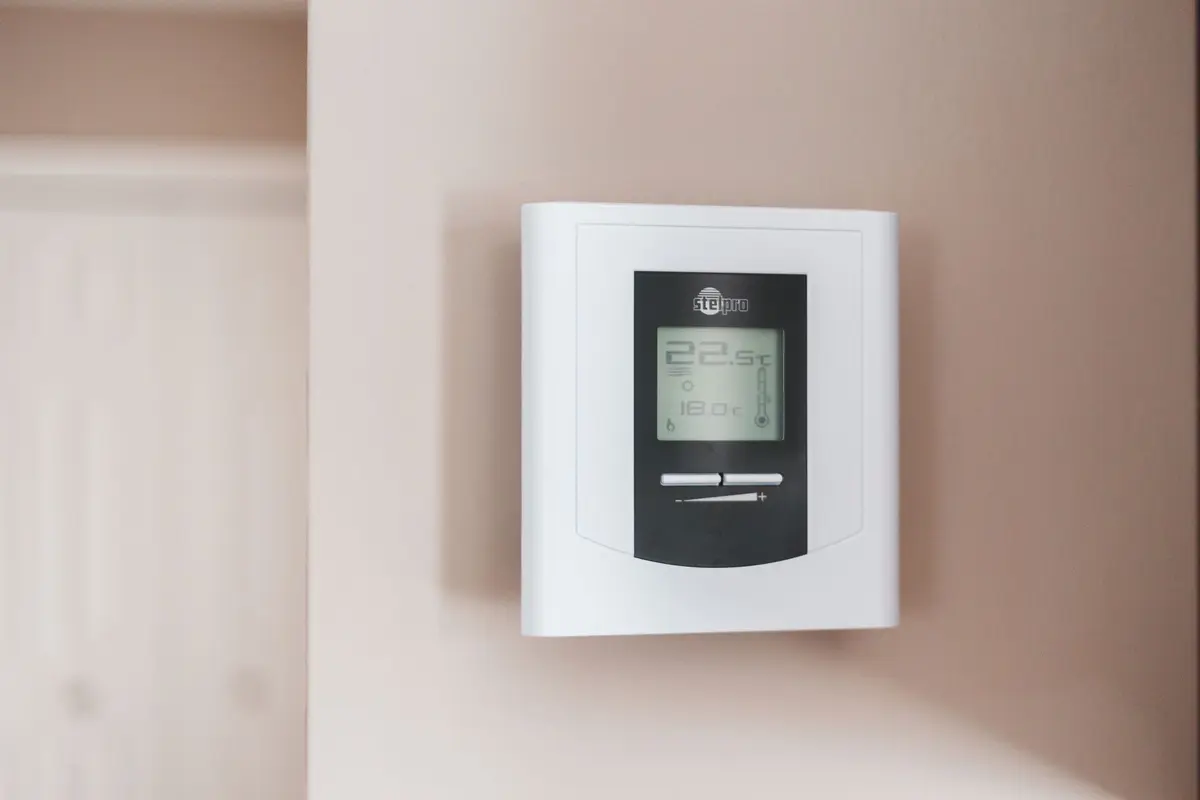
A class F energy certificate means the property sits at the bottom of the scale. It does not prevent a sale or a letting, but it tells the future tenant that the home may cost more to heat or cool.
If the class is low, read the improvement measures before deciding on works: the assessor lists the recommended interventions for that home.
How to look up an energy certificate
To find out whether a home already has a certificate, which class it has and until when it is valid, use the SCE's certificate search (Pesquisa de certificados) on sce.pt, run by ADENE. You can search by certificate number or by the property's address.
It is useful when you buy or inherit a home, when you cannot find the document and want to know whether a valid certificate exists, or to check the expiry date before listing. Aluseg does not host this search: it is done directly on the SCE portal.
The qualified assessor (PQ) number can also be checked on the ADENE website before you accept a quote.
The energy certificate and renting out
When renting out, the certificate is one step of preparing your property for rent, before the photos and the listing. It is also on the list of documents to rent out a house to have at hand when you look for a tenant.
The class matters to tenants: it is an objective fact about comfort and energy that they can compare between listings. A good class is a selling point. A low class calls for a rent well aligned with the market: check yours with the rental market simulator.
Then keep the certificate with the tenancy agreement and give the tenant a copy before signing. For the full picture, see our guide to renting out in Portugal.
Find an assessor in your region
The Aluseg directory lists qualified assessors by region. See the energy certificate assessors in Lisbon, in Porto, in Setúbal and in Faro and the Algarve.
Or use the form at the top of the page: describe your request, confirm your email and up to 3 assessors contact you, with no commitment. The request is free and Aluseg takes no commission on fees: you agree the price directly with the assessor.
General information, not a substitute for the advice of a qualified assessor. Legal basis: Decree-Law 101-D/2020 (SCE) and Portaria 138-H/2021 (registration fees). Reviewed in October 2026.