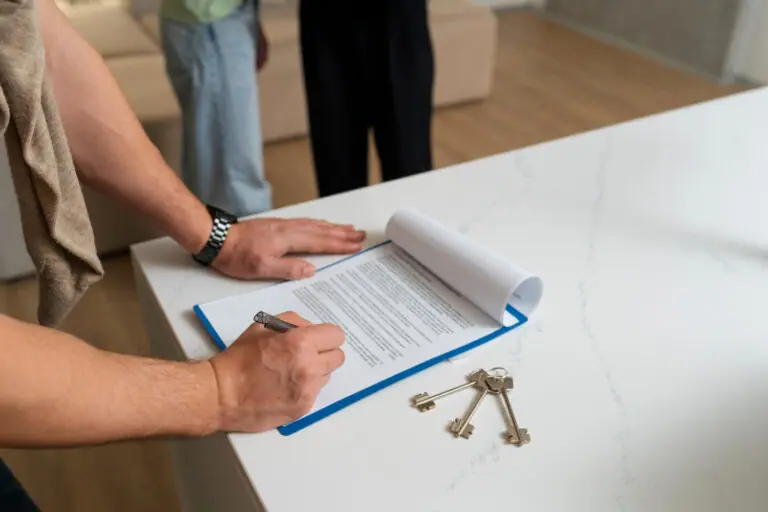
In Portugal the security deposit (the caução) is capped at two months’ rent (art. 1076(2) of the Civil Code) and must be returned at the end of the tenancy, once the landlord has checked the property and the accounts. The law sets no general return deadline: the contract rules and, in practice, about 30 days.
It is the biggest source of conflict at the end of a tenancy, almost always because nothing was put in writing at the start. This guide covers the maximum amount, how it differs from advance rent, where the deposit sits, when and how it is returned, what the landlord may deduct and what to do when it is not returned.
The essentials in 30 seconds
- The legal maximum deposit is 2 months' rent (art. 1076(2) of the Código Civil, the Civil Code), and clauses above that are void to that extent.
- Deposit ≠ advance rent: advance rent (max. 2 months) is set off against the last months; the deposit is returned at the end.
- Return: no general legal deadline; the contract applies and, in practice, about 30 days after the keys are handed back.
- Landlord not returning it? Registered letter → evidence → Julgado de Paz or injunção (claims up to €15,000).
- The best protection: a signed move-in inspection report + proof that the deposit was paid.
Maximum deposit: how many months’ rent can a landlord ask for?
Article 1076(2) of the Civil Code allows the parties to secure performance of the obligations “up to the value of two months’ rent”. A deposit of 3 months’ rent breaks the law, and the tenant can demand it be reduced to the limit.
The limit counts rent, not euros: on a home let at €800 a month, the maximum deposit is €1,600. The deposit must be set out in the contract (amount, purpose and conditions for its return), and the payment must be evidenced: a bank transfer and, ideally, a signed deposit declaration.
Deposit, advance rent and guarantor: three different things
| Item | What it is | Legal limit |
|---|---|---|
| Security deposit | Security handed over at the start, returned at the end if there is no damage or debt | up to 2 months’ rent art. 1076(2) Civil Code |
| Advance rent | Future rent paid in advance, set off against the last months | max. 2 months by written agreement (art. 1076(1) Civil Code) |
| Guarantor | A third party who answers for the tenant’s debts | No legal limit on the amount, as it is a personal guarantee |
Deposit vs advance rent
The difference is where the money ends up. Advance rent is rent: the tenant pays ahead and the amount is set off against the last months of the contract. The deposit is not rent: it is held as security and only turns into a payment if there are debts or damage; otherwise it is returned in full.
A demand for “2 months’ deposit + 2 months in advance + a guarantor” is lawful if everything is in writing, but heavy. Before signing, check the contract for free: deposit clauses above the limit are void. Alternatives to a cash deposit include a bank guarantee or surety insurance, and there is a full comparison in security deposit and guarantees.
Where is the deposit held?
In practice, the tenant hands the amount to the landlord (usually by bank transfer) at the start of the contract. The Civil Code does not regulate where the landlord must keep the deposit, but the money does not belong to the landlord: it is security and must be returned, less only what the law and the contract allow.
For the tenant, what matters is proof: a transfer referenced “caução” and a signed declaration confirming the amount received. For the landlord, good practice is to keep the deposit identifiable (for example, in an account separate from day-to-day spending), which makes it easier to return it quickly and to show where it came from in a dispute.
When is the deposit returned?
At the end of the contract, after the landlord has checked the state of the property and the accounts (rent and expenses up to date). The law sets no general deadline for the return. What the parties wrote in the contract applies; if the contract is silent, the return must happen within a reasonable time after the keys are handed back. 30 days is the period seen most often, but it is a market convention, not a legal deadline.
What decides the return is what has been documented:
- Move-in inspection report and inventory signed at the start: without them it is one person’s word against the other’s (free inspection template);
- Move-out inspection carried out jointly when the keys are handed back, with photographs (move-out template);
- Final meter readings (water, electricity, gas) and confirmation that no consumption is outstanding.
What the landlord may deduct from the deposit
The deposit secures the tenant’s obligations. The landlord may deduct, with evidence:
- unpaid rent;
- damage to the property or its contents beyond normal use;
- outstanding consumption and charges that were the tenant’s responsibility (water, electricity, gas, or others set out in the contract).
What the landlord cannot deduct is normal wear and tear. The tenant must return the property in the condition received, “except for the deterioration inherent in prudent use” (art. 1043(1) of the Civil Code). Walls needing repainting after years of use are wear and tear; a broken window or a burn in the flooring is damage. Nor can the deposit be used for works that are the landlord’s responsibility, or for amounts with no invoice or quote behind them.
The tenant, for their part, cannot decide alone that the deposit pays the last month’s rent: it secures debts established at the end and does not replace rent.
The landlord does not return the deposit: what to do
- Make a formal demand in writing. A registered letter with acknowledgement of receipt (or an email with confirmation), asking for the return within a reasonable period (10 to 15 days) and enclosing proof of payment of the deposit and the move-out photos. You can [send the registered letter online](/en/registered-letter-online/);
- Gather the evidence: contract, proof of the deposit, inspection reports, photographs and messages exchanged. If the landlord claims damage, it is up to them to prove it and to provide plausible figures;
- If there is no agreement, choose a route: the Julgado de Paz (small-claims court; claims up to €15,000, reduced costs, no lawyer needed, in the municipalities it covers), the injunção (a simplified procedure for money debts arising from a contract, up to €15,000, at the Balcão Nacional de Injunções) or an action in the regular courts.
If the landlord opposes the injunção, the case goes to court, so when there is doubt about the damage or the amount it is worth speaking to a lawyer before choosing a route. In practice, a well-documented registered letter settles most cases.
For landlords: how to withhold the deposit without risk
Withholding (in whole or in part) only stands up with evidence: a signed move-in inspection report, inventory, move-out inspection, photographs and invoices or quotes for the repairs.
Return the remainder quickly, explain each deduction in writing and keep the receipts. A clean process avoids Julgados de Paz proceedings and negative reviews. The templates for the move-out inspection and the deposit declaration are free, and the lease agreement template already includes the deposit clause.
Frequently asked questions
What is the maximum legal amount of the deposit?
Two months' rent (art. 1076(2) of the Civil Code). Any clause above that is void to that extent, and the tenant can demand a reduction.
How soon must the deposit be returned?
The law sets no general deadline. The contract's period applies and, if it is silent, a reasonable period after the keys are handed back: days, not months. About 30 days is the usual period, by convention. A joint move-out inspection settles the accounts on the spot.
Can the deposit be used to pay the last month's rent?
No, unless the landlord agrees: the deposit secures damage and debts established at the end, it does not replace rent. Anyone who wants "rent paid in advance" uses the advance rent mechanism, in writing and for up to 2 months.
Can the landlord deduct repainting from the deposit?
Only if it goes beyond normal wear from use. Paint aged by normal use is the landlord's responsibility; damage caused by the tenant (holes, unusual stains) can be deducted, with evidence.
What can I do if the landlord does not return the deposit?
Send a registered letter with acknowledgement of receipt asking for the return within 10 to 15 days, with proof of payment. If there is no reply, you can go to the Julgado de Paz, use the injunção procedure or sue in court, in each case relying on the inspection reports, photographs and messages as evidence.
I have no proof that I paid the deposit. What now?
Look for indirect evidence: a bank transfer, messages, a reference to the deposit in the contract. For the future: always pay by bank transfer and demand a signed deposit declaration at the time.
Note: informational article, not legal advice.