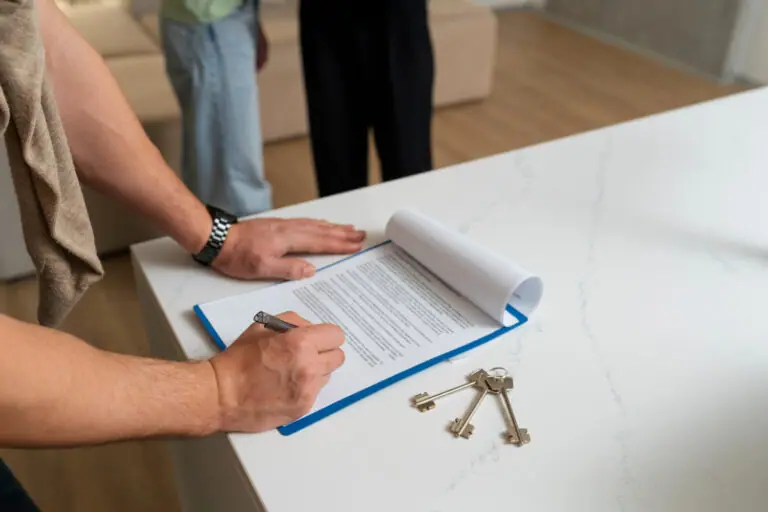
Whether you have just inherited a property, bought your first investment flat, or are expanding a portfolio, understanding your rights and obligations as a landlord in Portugal is non-negotiable. The NRAU (Novo Regime do Arrendamento Urbano) and the Portuguese Civil Code set out a detailed framework that governs everything from how you collect rent to how you can recover possession of your property.
This guide explains both sides of the equation: what you are entitled to as a landlord, and what the law requires of you.
Main Landlord Rights Under NRAU
Portuguese law gives landlords meaningful protections — provided the lease is properly drafted and registered. Here are the core rights:
1. Right to receive rent on time
You are entitled to receive the agreed monthly rent by the due date stated in the contract. If payment is not made, you have the right to send a formal demand and, after 3 months of non-payment, initiate eviction proceedings via the Special Eviction Procedure (PED).
2. Right to update rent annually
Every year, you may increase the rent in line with the official coefficient published by the INE. In 2025, this coefficient is defined by Portaria and is applied to all leases with duration of more than one year. You must notify the tenant in writing at least 30 days before the new rent takes effect.
3. Right to recover the property
At the end of the lease term — subject to proper notice — you have the right to recover the property. Grounds for landlord-initiated termination include: non-payment of rent, sub-letting without permission, use of the property for purposes other than residential, and the landlord’s own need for the property (with specific conditions).
4. Right to retain the security deposit
If the tenant causes damage beyond normal wear and tear, or leaves with rent unpaid, you are entitled to use the security deposit to cover those losses. Document the condition of the property at move-in and move-out with a signed inspection report.
5. Right to enter the property for inspection
With adequate notice (typically 24–48 hours) and the tenant’s agreement, you may visit the property for inspection or maintenance purposes. You cannot enter without consent except in genuine emergencies.
Main Landlord Obligations
Rights come with obligations. Failing to fulfil these duties can expose you to legal liability — and give a tenant grounds to reduce rent or terminate the contract.
1. Deliver the property in a habitable condition
The property must be delivered free of defects, clean, and fit for residential use. Any pre-existing damage must be documented in the move-in inspection report.
2. Carry out maintenance and conservation works
Under Article 1074 of the Portuguese Civil Code, the landlord is responsible for all major conservation works (ordinary and extraordinary). The tenant is only responsible for minor day-to-day repairs. If the property falls into serious disrepair through your neglect, the tenant has the right to a rent reduction.
3. Register the lease with the Tax Authority
You must register the lease with the AT (Autoridade Tributária) via the Portal das Finanças within 30 days of signing. Failure to do so is a fiscal infraction, and since August 2025, gives the tenant the right to self-register.
4. Declare rental income for IRS
All rental income must be declared under Categoria F on your annual IRS return. You can deduct eligible expenses (maintenance, insurance, condominium fees, depreciation on improvements) against this income.
5. Respect the tenant’s right to peaceful enjoyment
You may not disturb the tenant’s use of the property, enter without consent, or apply pressure to force the tenant out. Doing so constitutes a violation of the tenant’s rights and can result in legal action against you.
What You Cannot Do as a Landlord
- You cannot increase rent outside of the annual NRAU coefficient — any higher increase is legally void.
- You cannot evict a tenant without following the legal procedure (PED or court action); a tenancy lawyer can handle it.
- You cannot cut off utilities to force a tenant out.
- You cannot refuse to carry out emergency repairs.
- You cannot discriminate against tenants on grounds of nationality, religion, or other protected characteristics.
- You cannot rent a property that fails to meet basic habitability standards.
Tenant Rights vs. Landlord Rights — Where They Conflict
The NRAU is deliberately balanced, but there are areas of frequent tension:
Eviction timelines
Even when a tenant is clearly in breach (e.g., 3+ months of non-payment), the eviction process via PED at the BAS (Balcão Nacional do Arrendamento) can take 3–9 months. During this time, the landlord typically receives no rent and cannot re-let the property.
Vulnerable tenant protections
Since 2023, tenants classified as ‘vulnerable’ (elderly, disabled, low income) benefit from additional protections that can significantly delay or block eviction, even for legitimate non-payment. Landlords need to plan for this risk.
Rent caps in pressure zones
In designated housing pressure zones (zonas de pressão habitacional), new rent levels for relettings are capped at the level of the previous tenancy. This limits your ability to reset the rent to market rate between tenants.
Common Legal Disputes and How to Avoid Them
- Non-payment disputes: prevent with rigorous tenant selection and consider rent insurance.
- Deposit disputes: use a signed, photographic inspection report at move-in and move-out.
- Works disputes: specify responsibilities clearly in the contract; get quotes in writing.
- Renewal and notice disputes: set calendar reminders for notice deadlines months in advance.
- Registration disputes: keep a copy of the AT registration confirmation.